
THE BIG SHIFT - THE WORLD IN TRANSITION AS NEW ECONOMIC POWERS ARE RISING IN ASIA
The global economy is in a transition driven by several key and interconnected factors: geopolitical shifts and the fragmentation of trade, rapid technological advancement, the urgent push for decarbonization and sustainability, and significant demographic changes.
Geopolitical and Economic Shifts
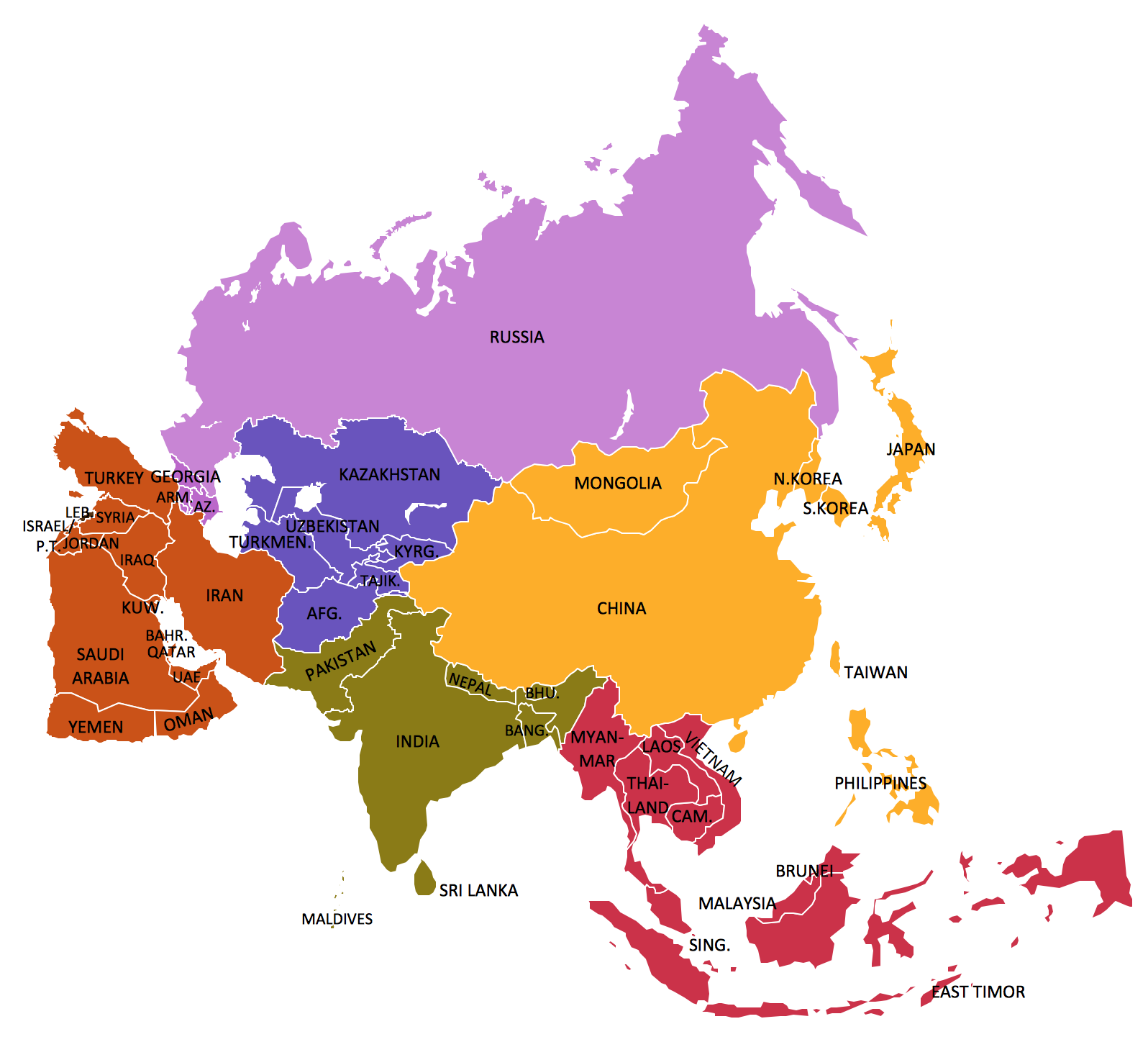
Geopolitical Realignment: The rise of new economic powers, particularly in Asia, is shifting the world’s economic “center of gravity” from Western regions. This has led to increased regional trade blocs, economic nationalism, and a more multipolar world order, moving away from hyper-globalization.
Trade Fragmentation and Reshoring: The COVID-19 pandemic and geopolitical rivalries exposed vulnerabilities in extended, just-in-time supply chains, leading companies and nations to prioritize resilience through “friend-shoring” or “near-shoring” (moving production to politically aligned or nearby countries). This has increased trade barriers and policy uncertainty.
Debt and Inflation: High levels of global public debt, partly from pandemic-era stimulus, combined with supply-side constraints and rising energy prices, have fueled persistent inflation and an era of higher interest rates. This raises the cost of capital and dampens consumer demand.
Technological Revolution
AI and Automation: Technological innovations, especially in artificial intelligence (AI), automation, and digitalization, are profoundly transforming industries, enhancing productivity, and creating new business models. These advancements also pose challenges such as workforce displacement and the need for upskilling and reskilling.
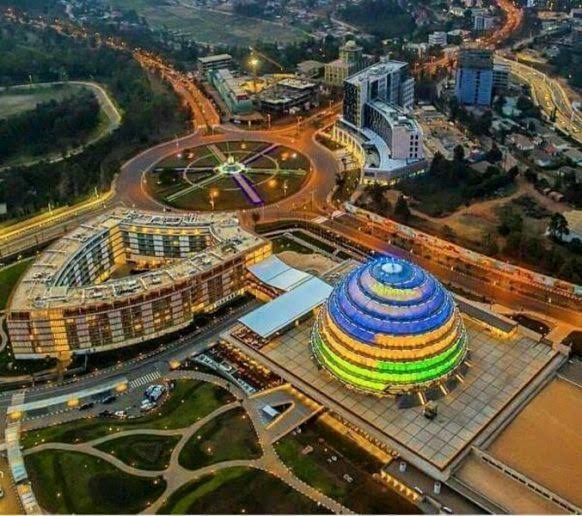
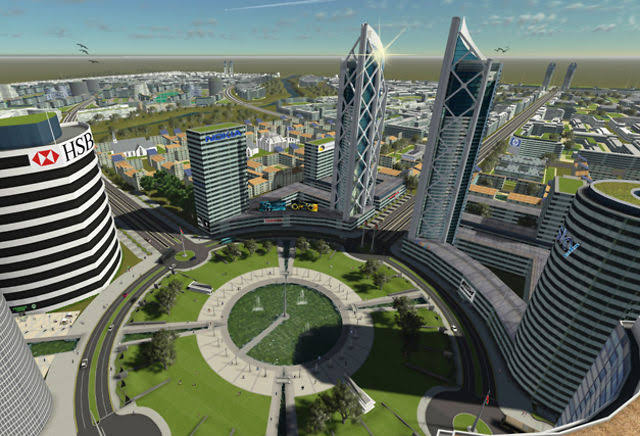
Digital Infrastructure: Robust digital infrastructure is now a baseline requirement for economic competitiveness, with innovations in fintech, e-commerce, and data processing reshaping financial services, retail, and logistics.
Decarbonization and Sustainability
Energy Transition: The global push for net-zero emissions is accelerating the shift toward renewable energy sources and low-carbon technologies. This transition creates opportunities in green sectors but also risks for fossil-fuel-dependent economies (potential stranded assets) and challenges related to securing critical minerals for new technologies.
Climate Impacts: The physical impacts of climate change, such as extreme weather events, are causing economic damage and creating persistent inflationary pressures on energy and food prices.
Demographic Shifts
Aging Populations: Many advanced economies face the challenge of aging populations and falling birth rates, which strains public finances (pensions, healthcare) and alters labor market dynamics.
Workforce Dynamics: The normalization of remote and hybrid work has globalized the labor market, allowing businesses to tap into worldwide talent pools. The development of human capital through education and training is crucial for adapting to these new labor market demands.
These factors interact in complex ways, creating both significant opportunities and risks that require strategic adaptation and international cooperation from policymakers and business leaders.
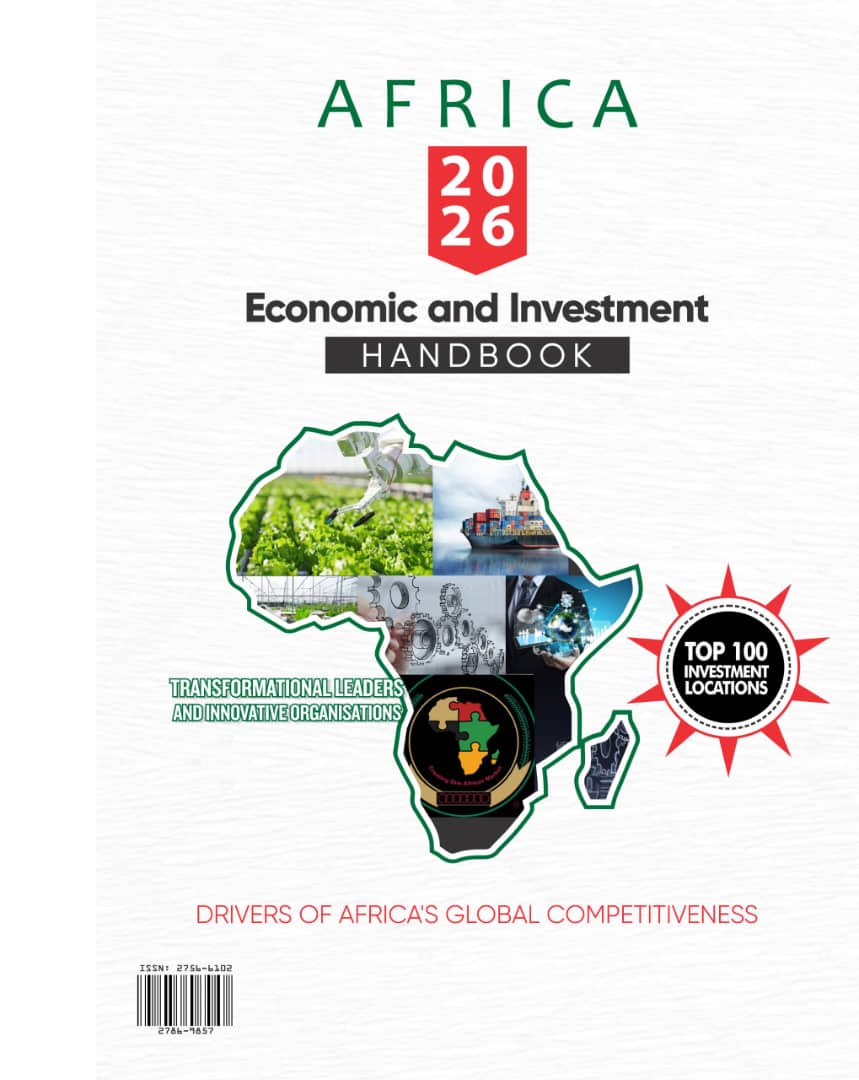
THE QUEST FOR AFRICA'S GLOBAL COMPETITIVENESS: CHALLENGES AND OPPORTUNITIES.
The quest for Africa’s global competitiveness is characterized by both significant challenges and transformative opportunities. While the continent boasts a wealth of human and natural capital, issues such as infrastructure deficits, political instability, and over-reliance on commodity exports have historically hindered its progress. However, key initiatives and demographics present an immense potential for Africa to become a formidable global player.
Challenges to global competitiveness
Infrastructure deficits: Insufficient investment in transport, energy, and digital infrastructure drives up trade costs and restricts economic integration. Over half of Africans lack reliable electricity, and closing the energy gap requires an estimated $190 billion annually.
Over-reliance on commodities: Many African economies are vulnerable to volatile global markets because they depend heavily on a few commodity exports for revenue. This makes them susceptible to price shocks and hinders economic diversification.
High debt burdens: Excessive debt accumulated through poorly managed projects and emergency borrowing threatens the economic sovereignty and stability of many nations.
Human capital underdevelopment: Despite a large youth population, low levels of education, limited access to quality healthcare, and a persistent digital divide cripple competitiveness.
Weak value chains and trade barriers: Intra-African trade is limited by inefficient customs processes, technical requirements, and other non-tariff barriers that increase the cost of doing business. This prevents the development of robust regional supply chains.
Opportunities for enhancing global competitiveness
Demographic dividend and innovation: Africa has the world’s youngest population, a potential driver for digital transformation, entrepreneurship, and innovation. An expanding consumer base and growing labor force offer significant opportunities for sustained growth.
Regional integration: The African Continental Free Trade Area (AfCFTA) is a crucial initiative for boosting intra-African trade and creating a single market of 1.4 billion people. It will enhance supply chain integration, strengthen resilience, and reduce dependency on global markets.
Green energy leadership: Africa has massive potential for renewable energy, including solar, wind, and hydroelectric power. Investment in this sector can address energy insecurity and position the continent as a leader in the global green energy transition.
Strategic management of natural resources: Africa possesses key minerals vital for global industries, such as cobalt and lithium. Improving governance around resource management can ensure these resources drive sustainable, long-term economic development rather than just short-term gains.
Technological leapfrogging: While facing a digital divide, African countries can leverage mobile technology and fintech to “leapfrog” traditional infrastructure. This enables innovation in financial services and other sectors.
Focus on value-added activities: Moving beyond raw commodity exports to processed and semi-processed goods will enable African economies to capture more value in global supply chains. This is a key pathway to industrialization and job creation.
THE TRIPLE BOTTOM LINE CONCEPT AND ECONOMIC DEVELOPMENT
The triple bottom line concept is central to economic development. Most communities have visions and goals that include economic prosperity, environmental sustainability, healthy people and livability.
Not only should economic development be conducted in ways that take us toward rather than away from those goals, it turns out that those very factors are important for fostering economic development. That is, economic development succeeds at the interface of people, place, and prosperity:
• People are at the heart of economic and community development. People provide the talent and labor that enables economies to thrive, and they are the main reason we engage in economic development and cultivate prosperity.
• Place (environment) is where development happens, even in the context of an interconnected world. Placemaking helps attract and retain workers and visitors, and stewardship of place maintains the resource base upon which life and economies depend.
• Prosperity contributes to well-being and quality of life. New accounting metrics provide a more complete picture of investment value so that business and community ledgers balance in the short term and the long term.
Together, these 3Ps – the triple bottom line of people, place, and prosperity – are both the ingredients and out-comes to successful economic development.
This ideology defines our beliefs and values, it shapes our organizations culture, strategy and how we interact with our employees, customers and the world at large.
RESOURCE DEVELOPMENT
PUBLICATIONS LIMITED
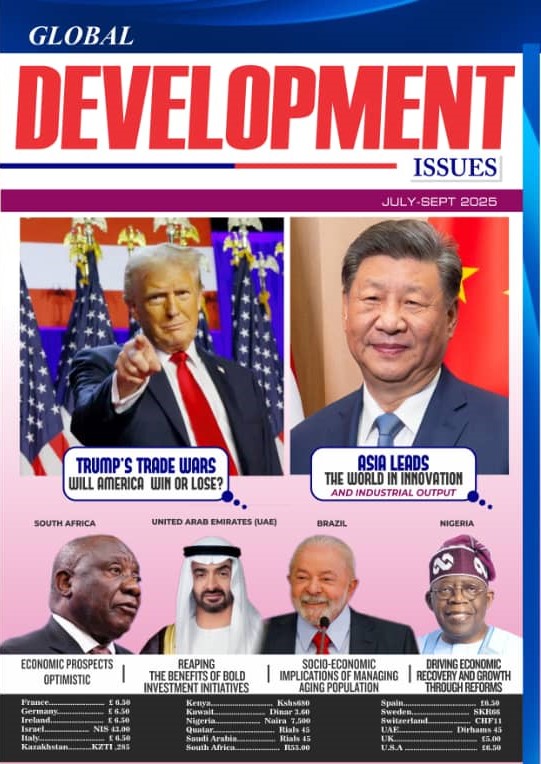
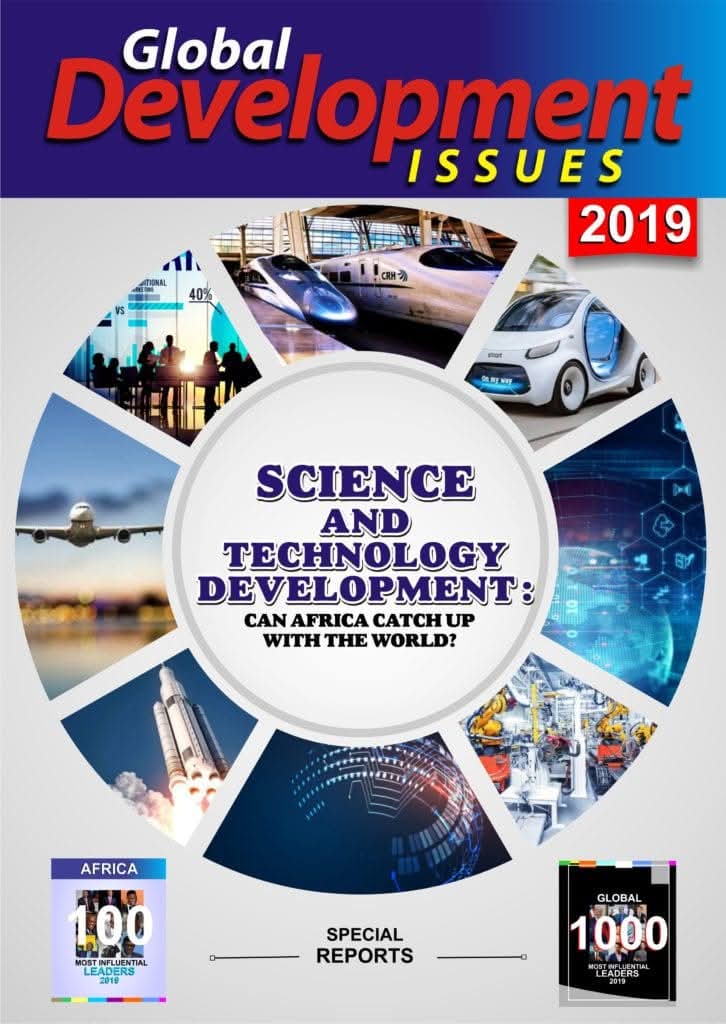
GLOBAL DEVELOPMENT ISSUES
Contemporary global development issues encompass a wide range of interconnected challenges, including climate change, poverty, food insecurity, global health crises, and rising inequality.
These issues are often exacerbated by economic shocks, political instability, and the interconnectedness of the global economy.
Analyzing these issues requires understanding their historical context, diverse perspectives, and the complex interplay between different actors and systems.
Debt Burdens:
High levels of debt can constrain the ability of developing countries to invest in crucial areas like health, education, and infrastructure.
Technological Disruption:
Rapid technological advancements, while offering potential benefits, also raise concerns about job displacement, digital divides, and ethical considerations.
Interconnectedness of Issues:
It is crucial to recognize that these issues are not isolated. For instance, climate change can exacerbate food insecurity, which in turn can lead to conflict and displacement. Addressing these challenges requires a comprehensive and integrated approach that considers the complex interplay of social, economic, political, and environmental factors.
Approaches to Analysis:
Analyzing these issues requires a multi-faceted approach that incorporates:
Historical Context:
Understanding the historical roots of current challenges is essential for developing effective solutions.
Theoretical Frameworks:
Applying relevant development theories can provide insights into the causes and consequences of global development issues.
Comparative Analysis:
Examining development experiences across different countries and regions can help identify best practices and lessons learned.
THIS IS WHAT WE STRIVE TO ACHIEVE THROUGH GLOBAL DEVELOPMENT ISSUES
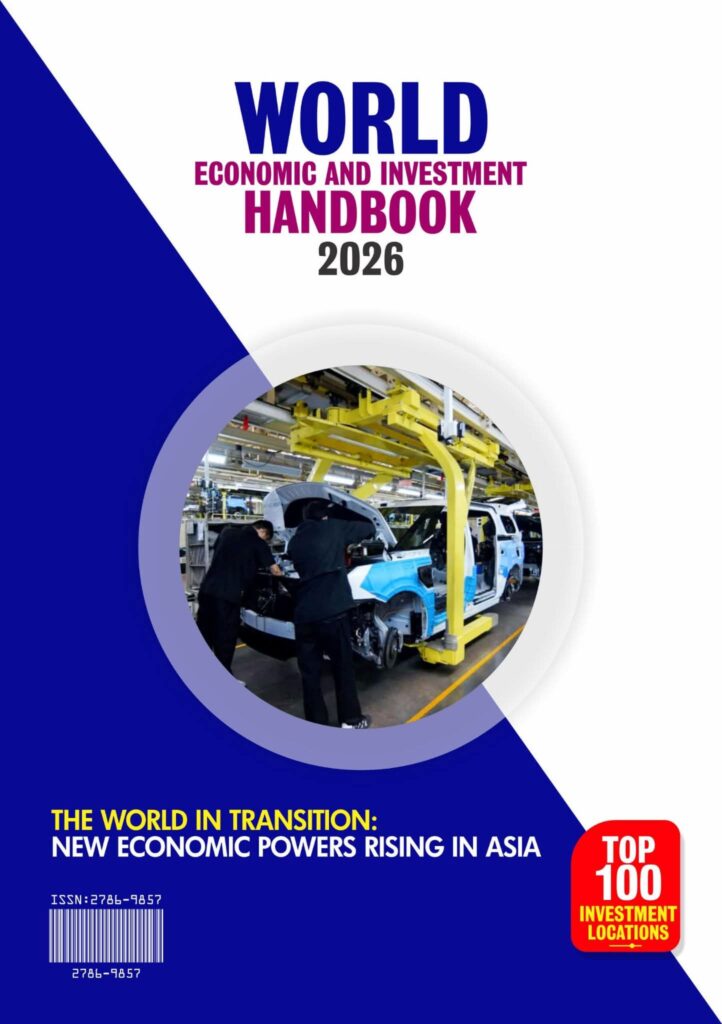
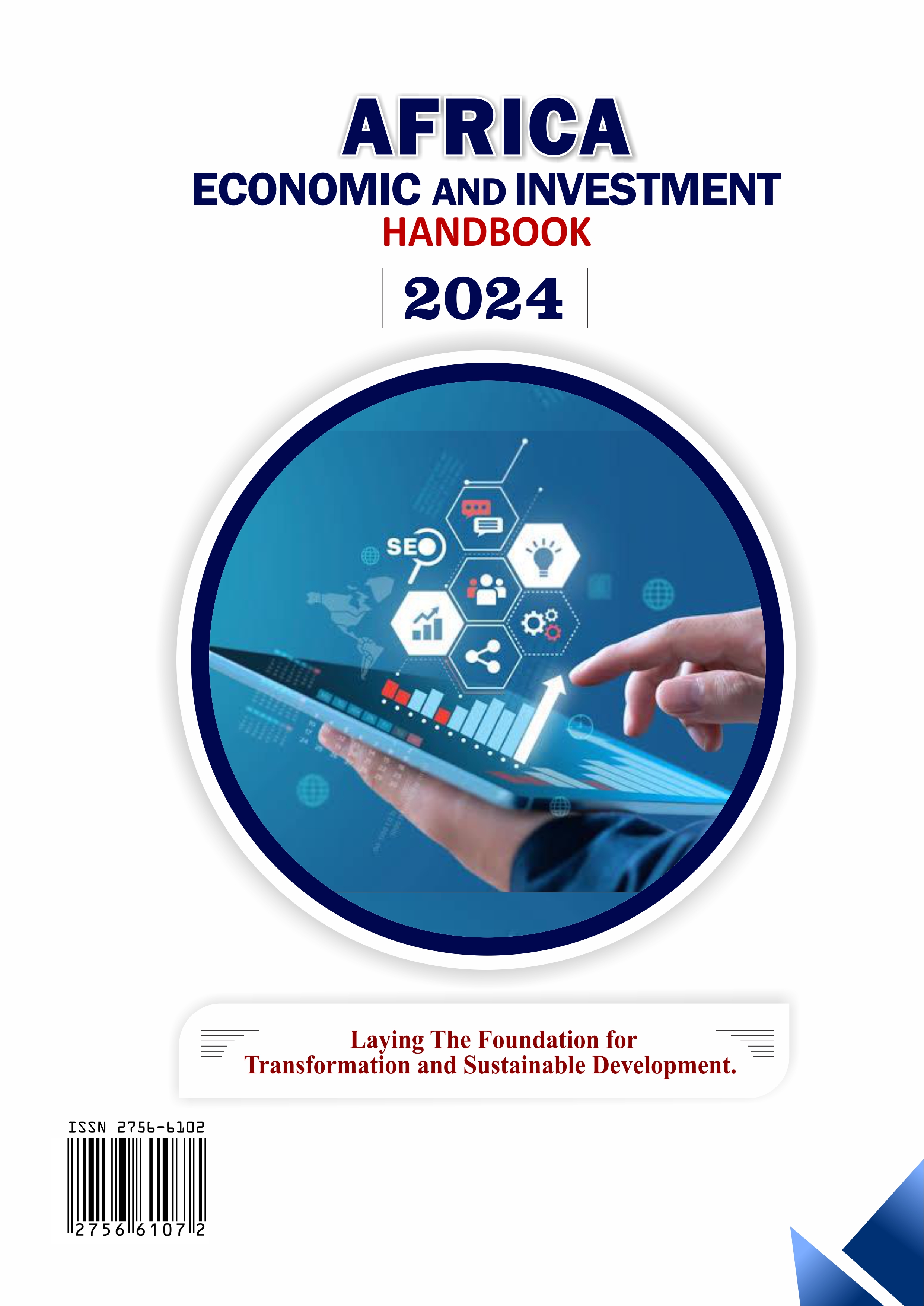
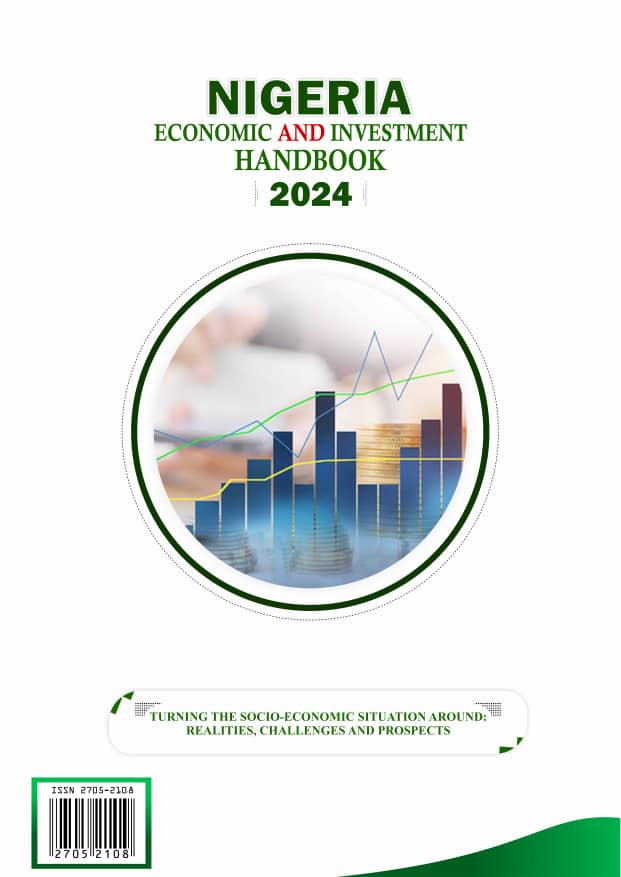
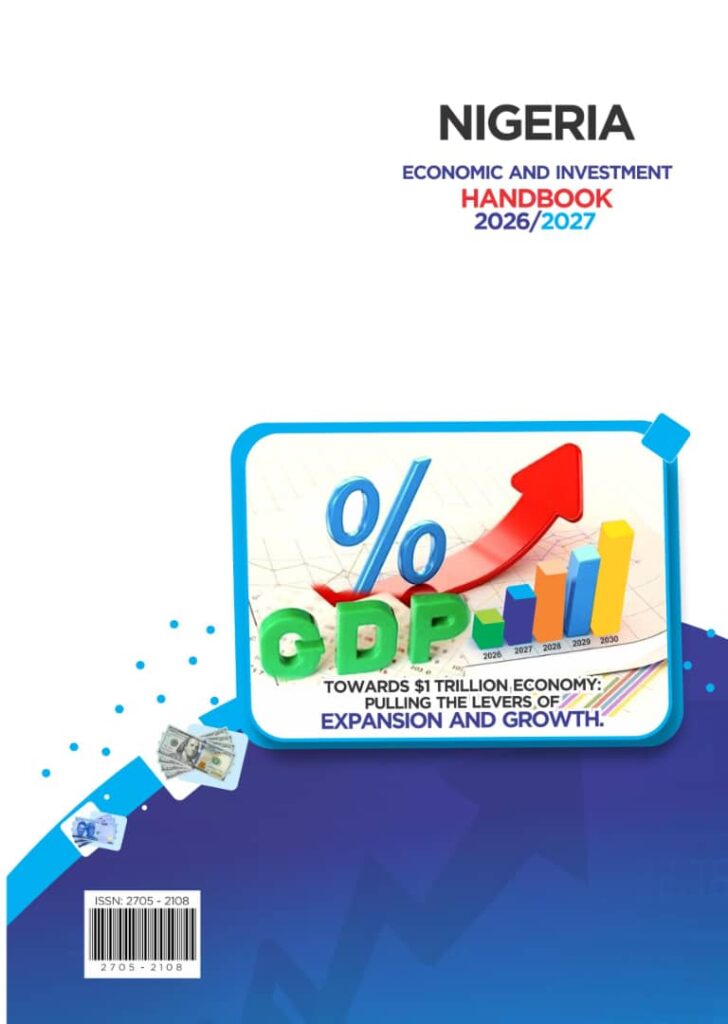
WORLD ECONOMIC AND INVESTMENT HANDBOOK
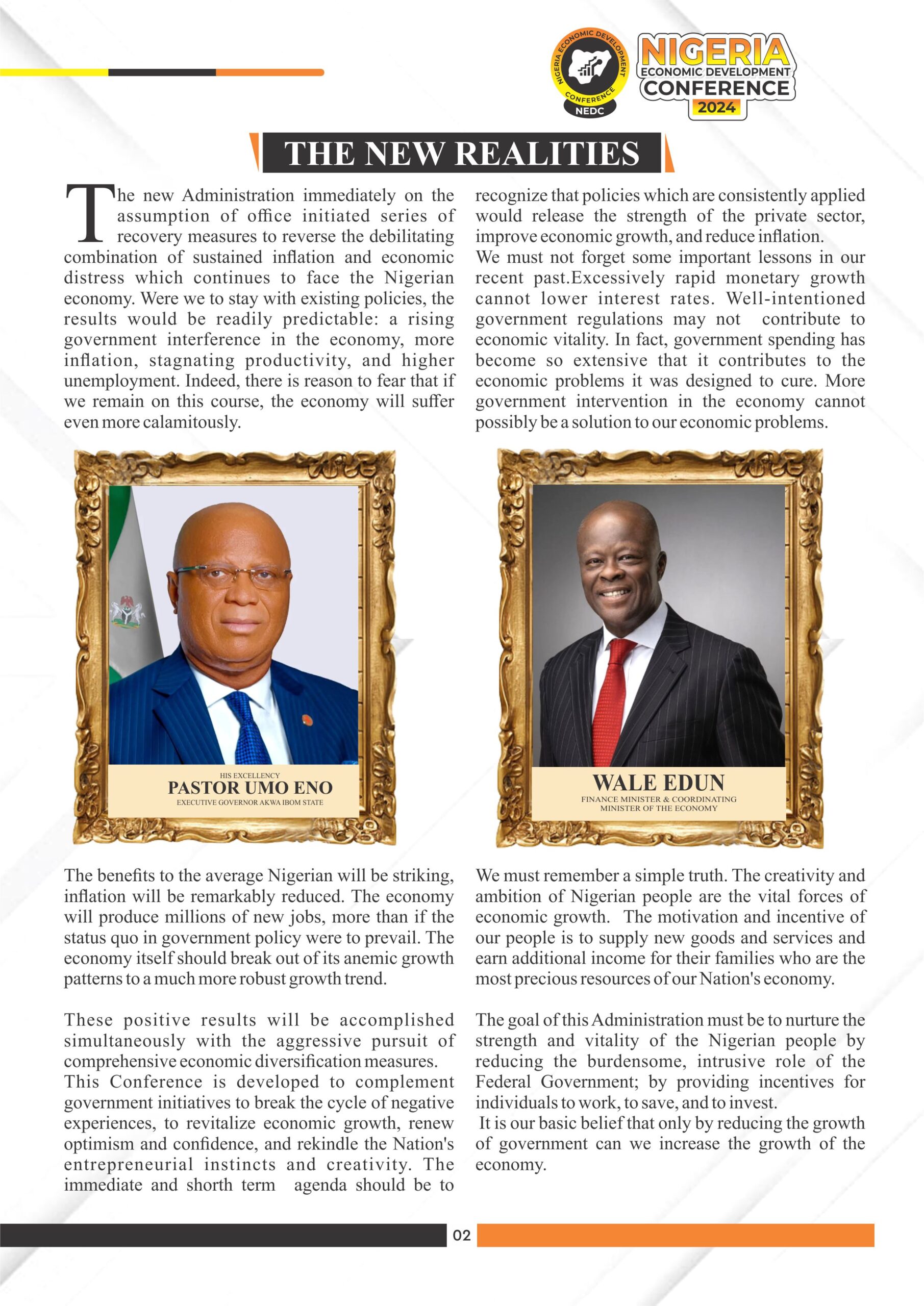
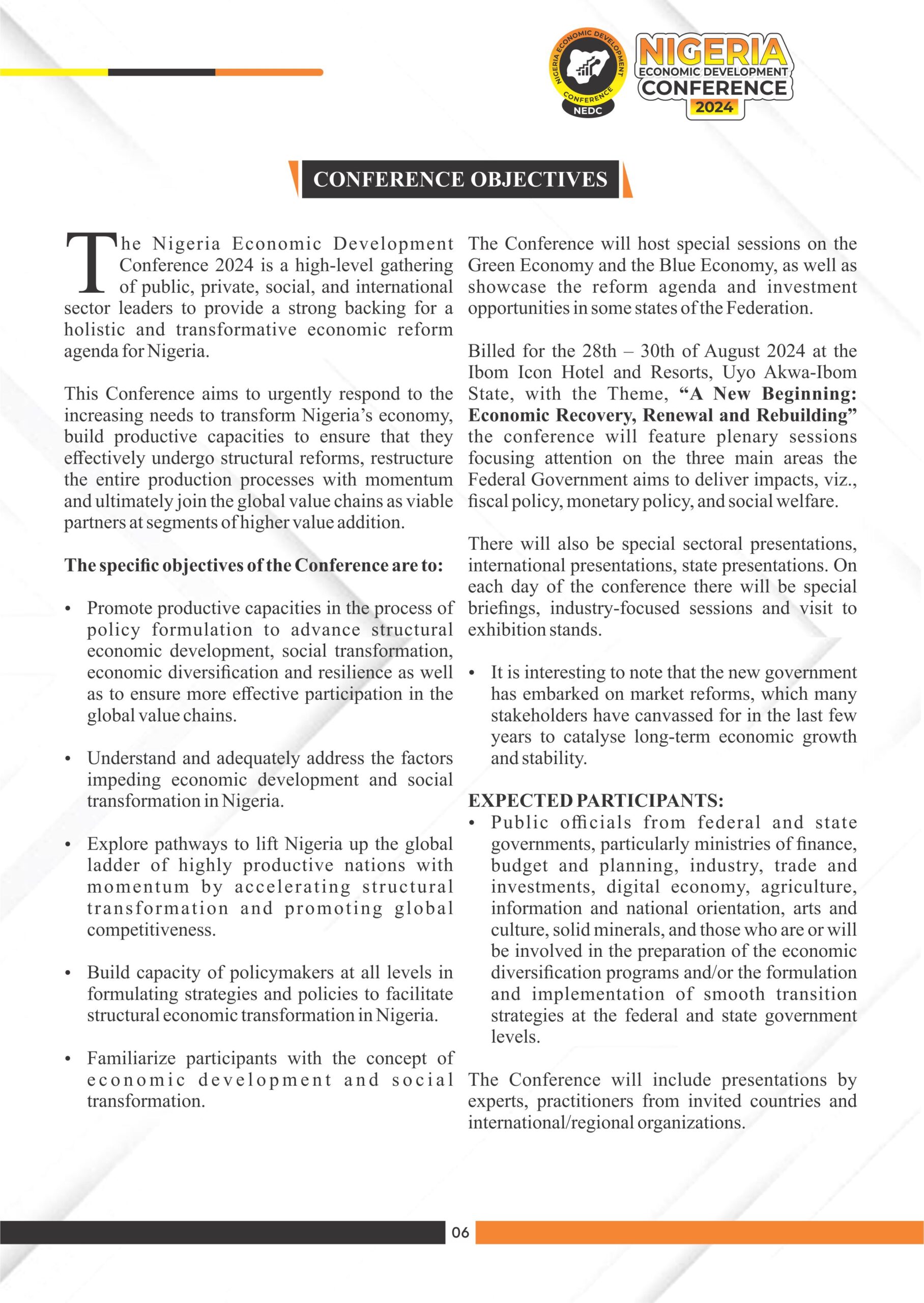
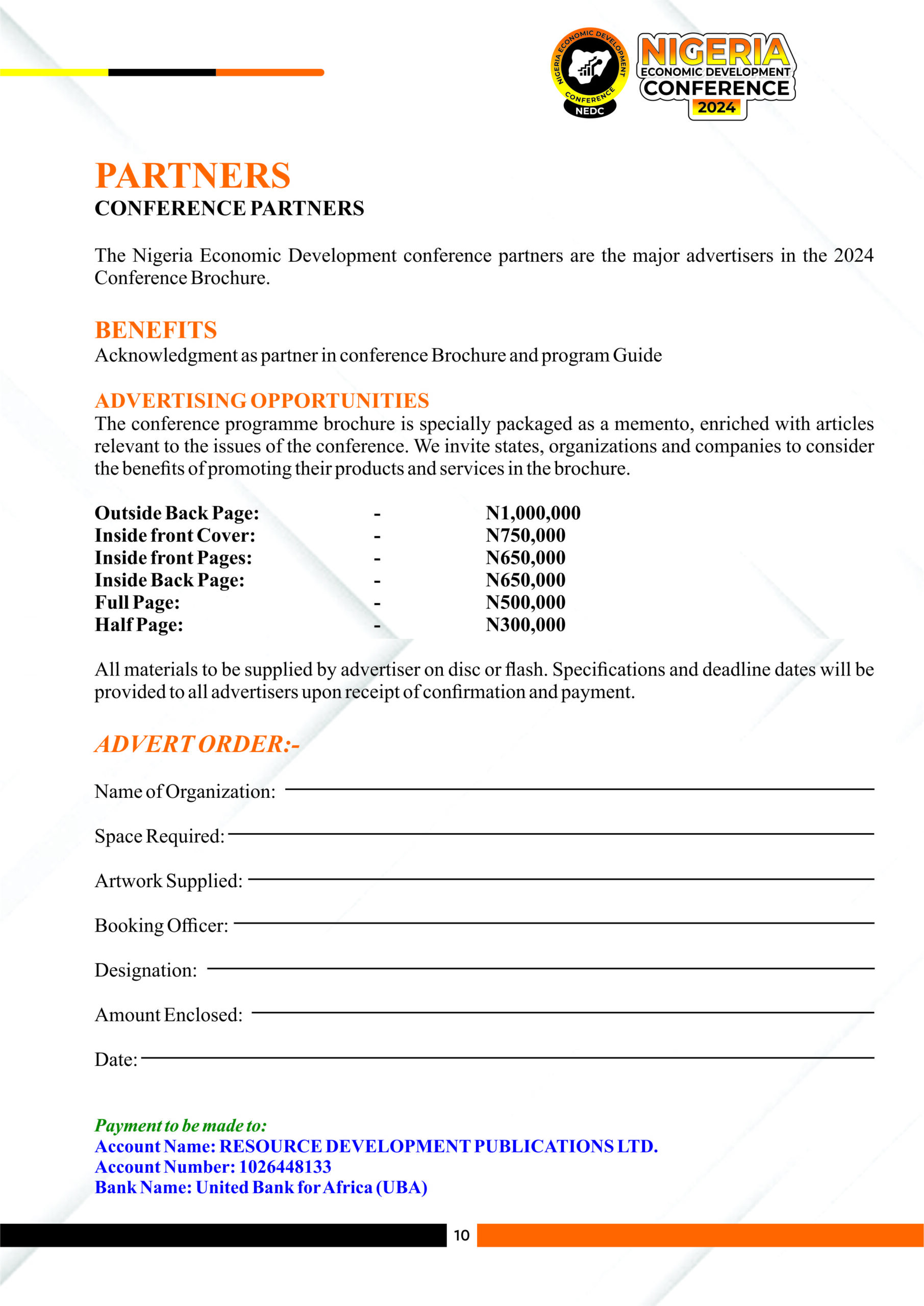
![IMG-20241027-WA0000[1]](https://www.resourcedevpublications.com/wp-content/uploads/2024/10/IMG-20241027-WA00001-1.jpg)
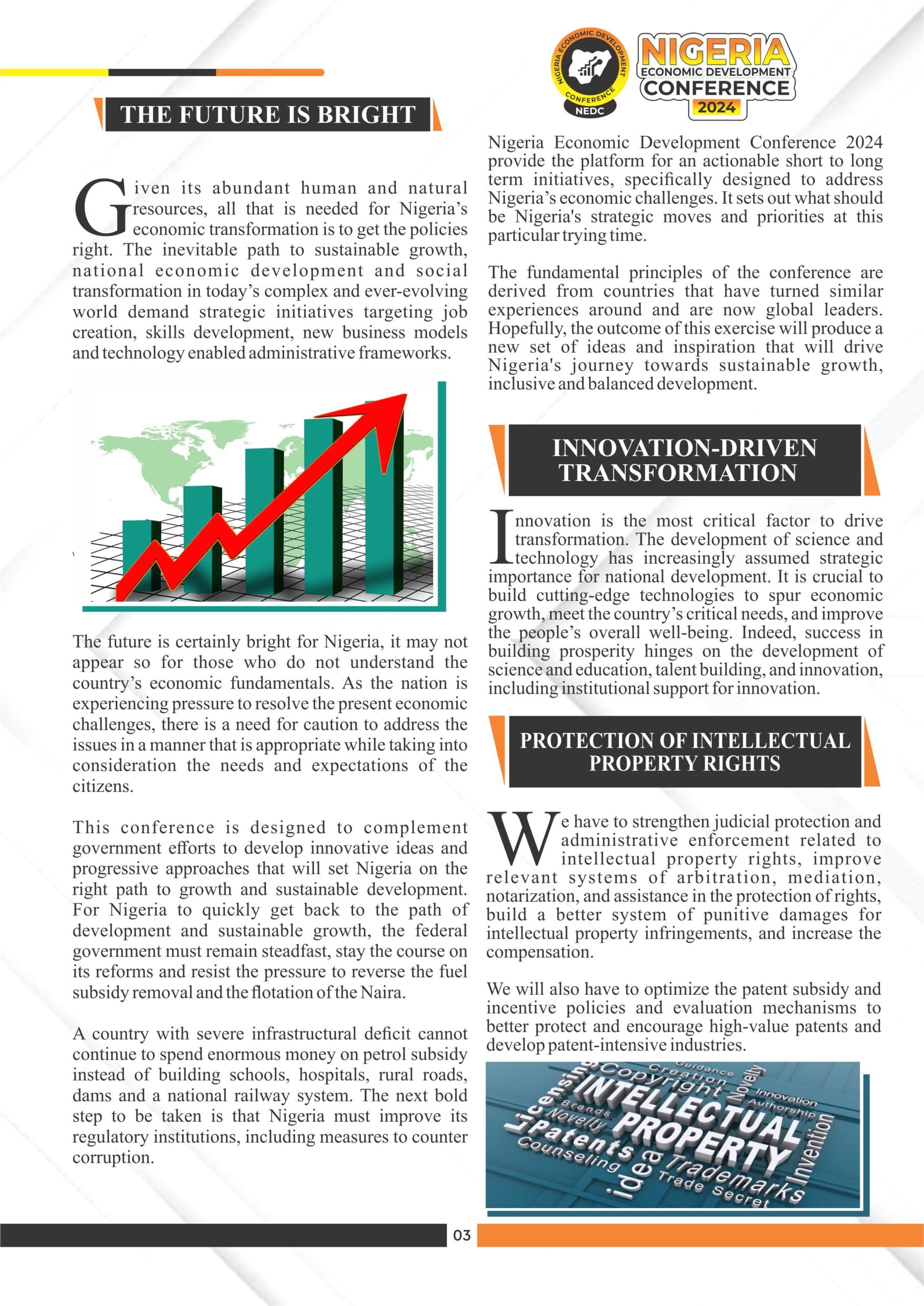
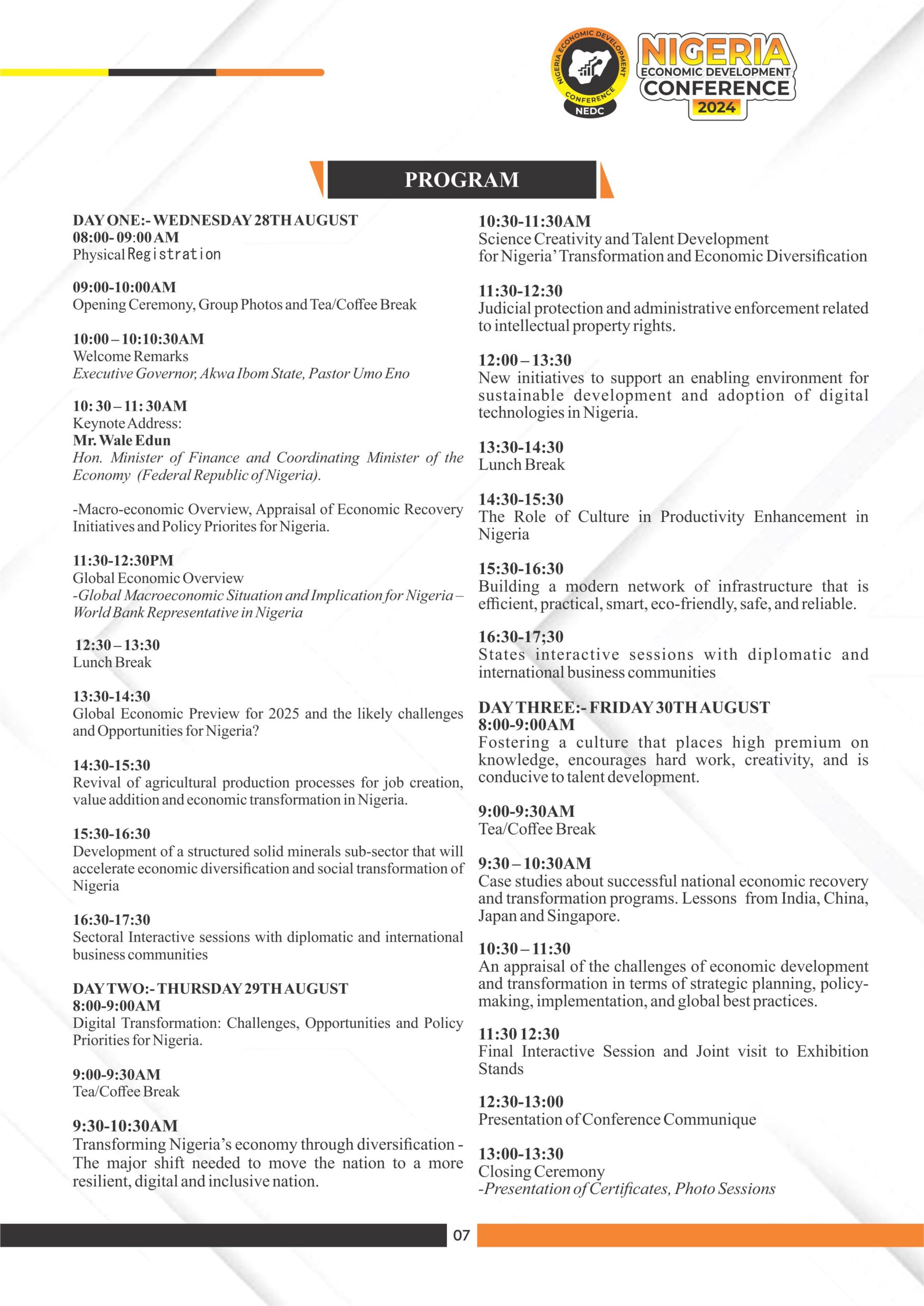
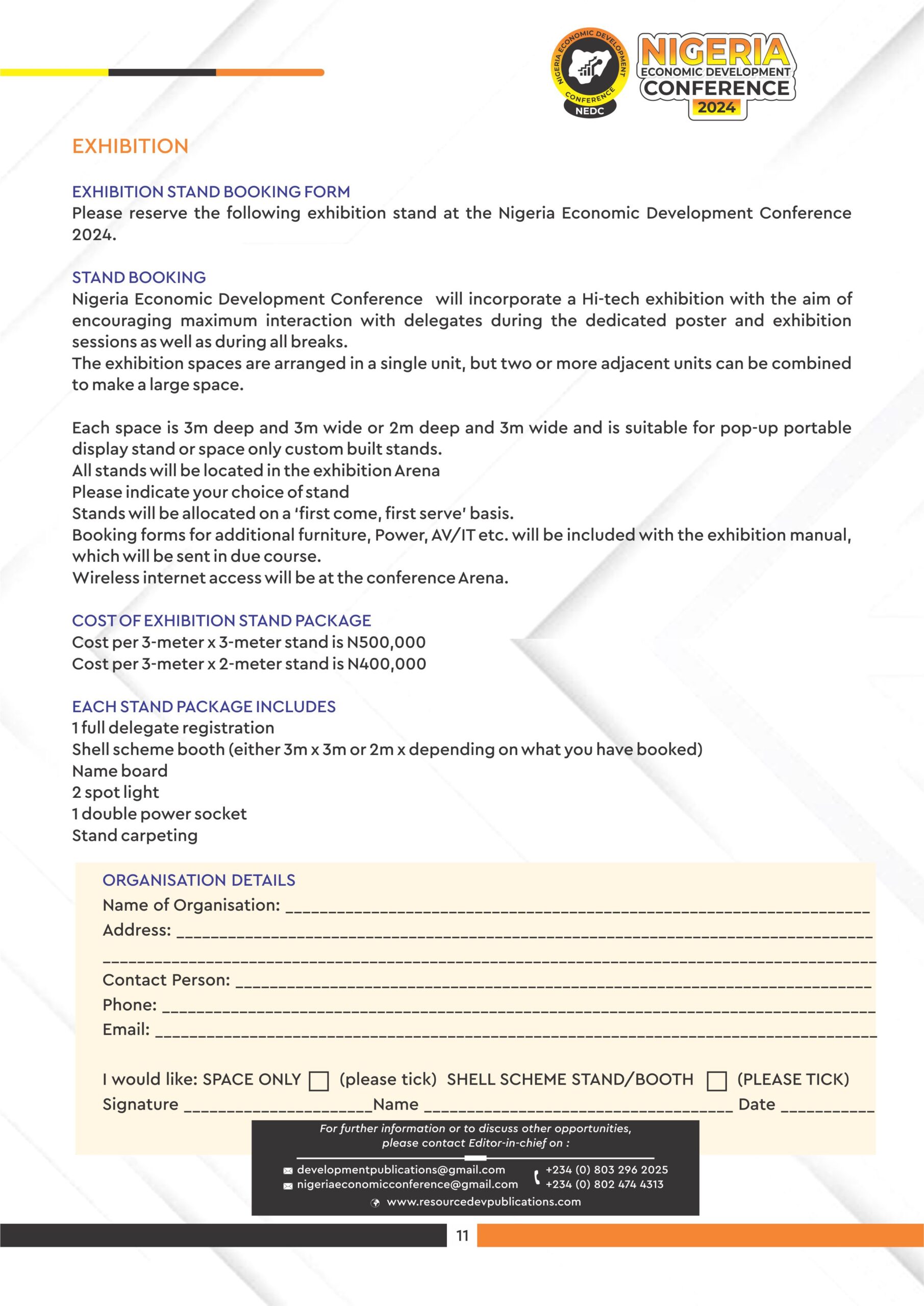
![IMG-20241027-WA0001[1]](https://www.resourcedevpublications.com/wp-content/uploads/2024/10/IMG-20241027-WA00011.jpg)
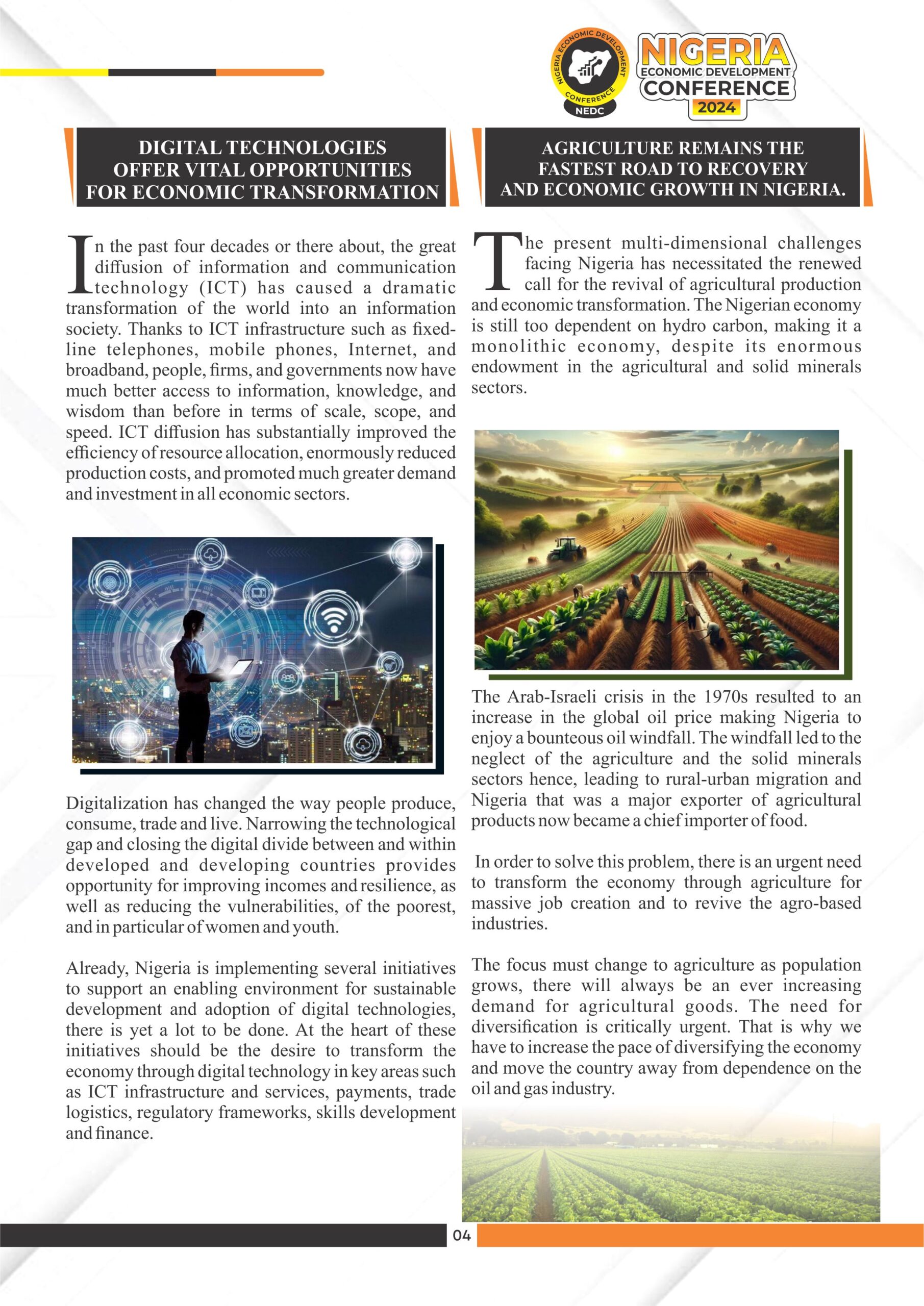
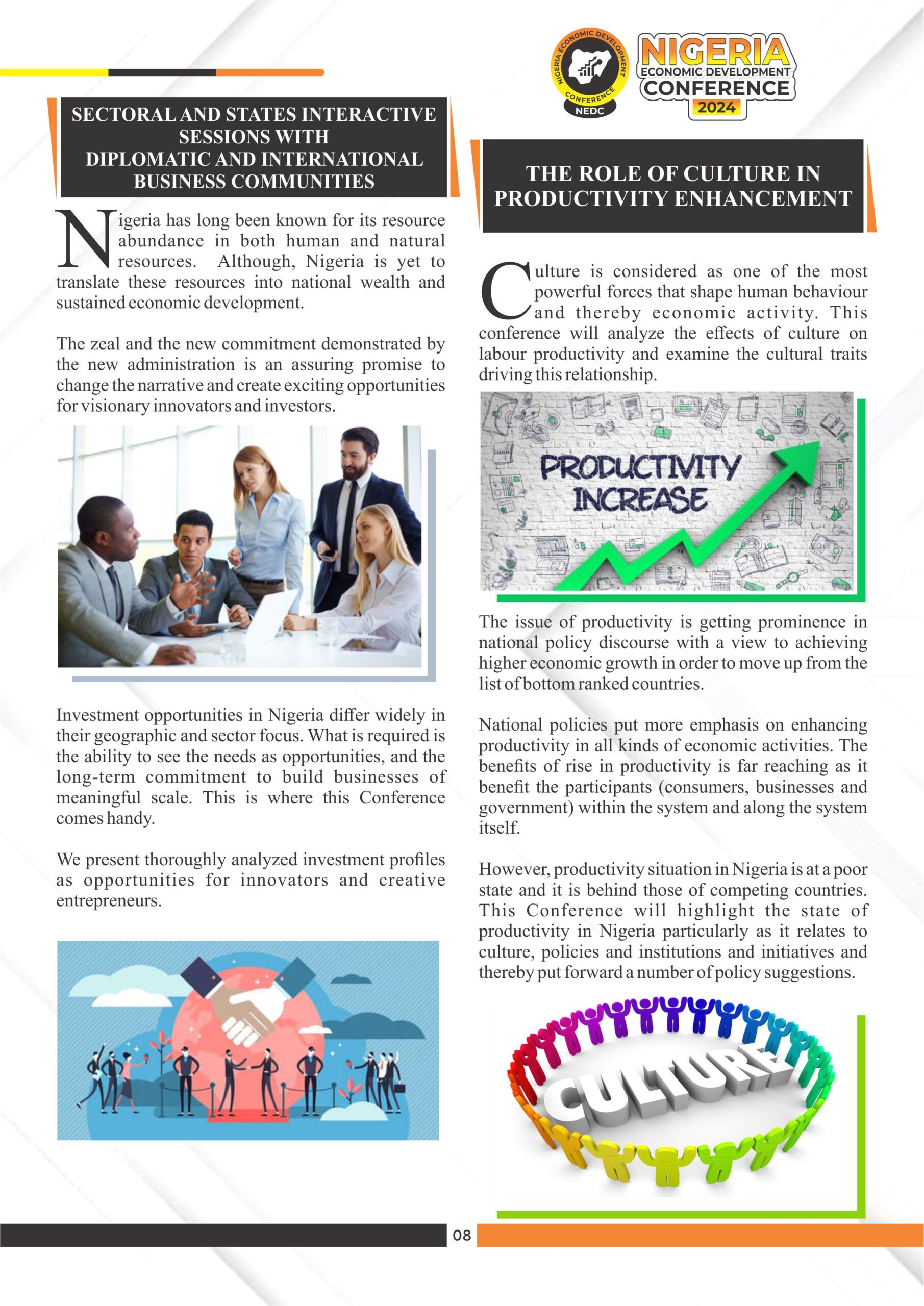
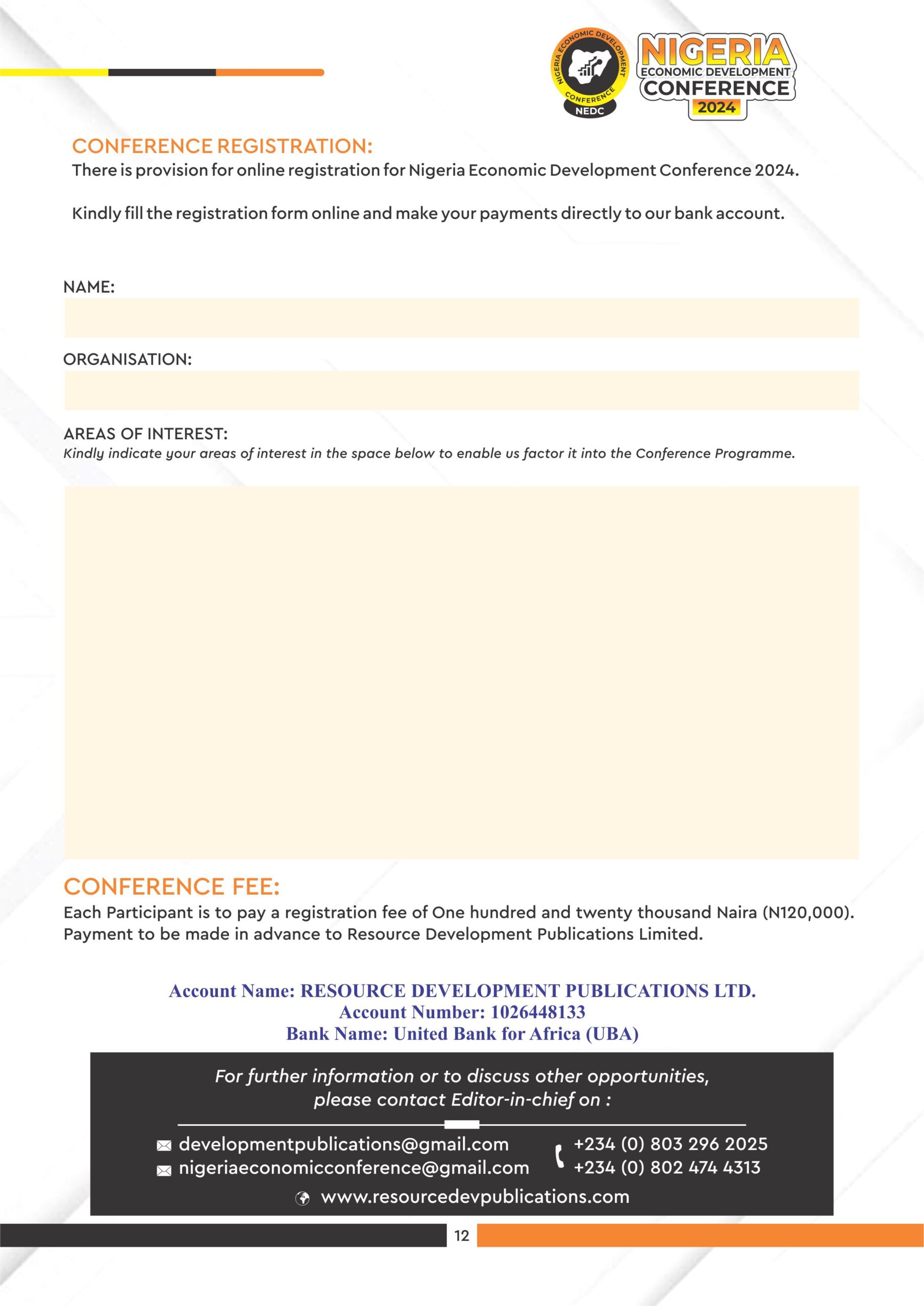
![IMG-20241027-WA0002[1]](https://www.resourcedevpublications.com/wp-content/uploads/2024/10/IMG-20241027-WA00021.jpg)
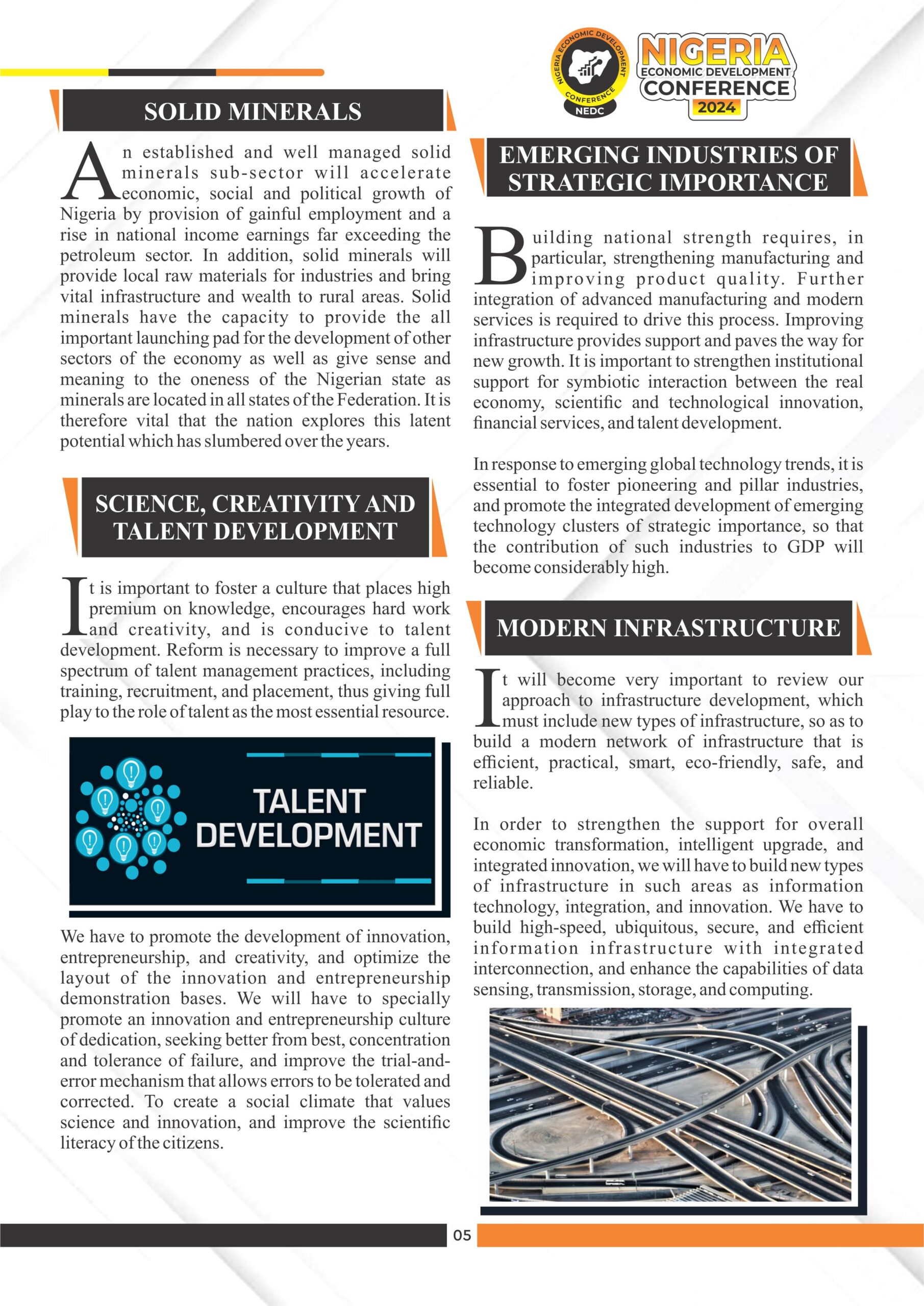
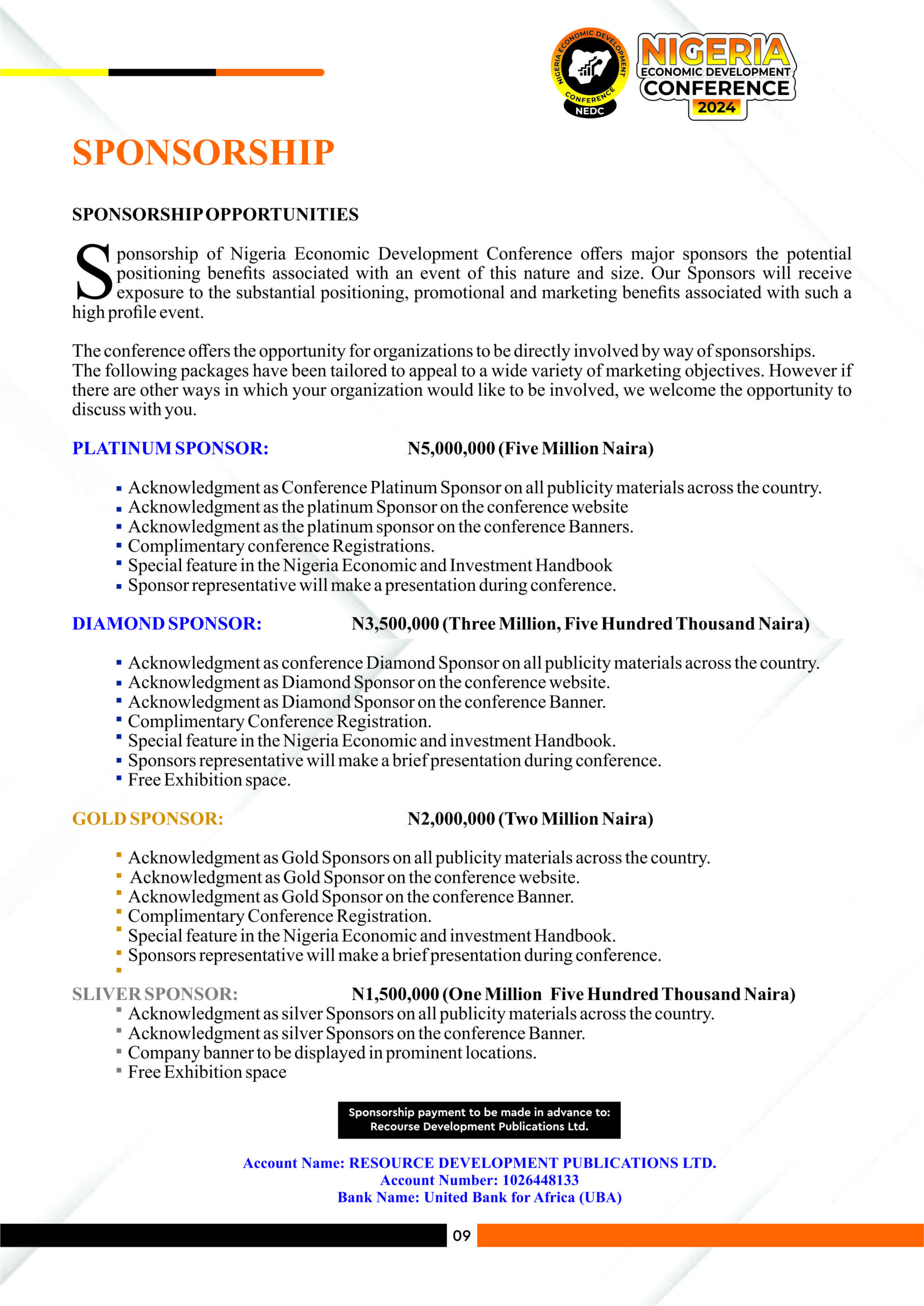
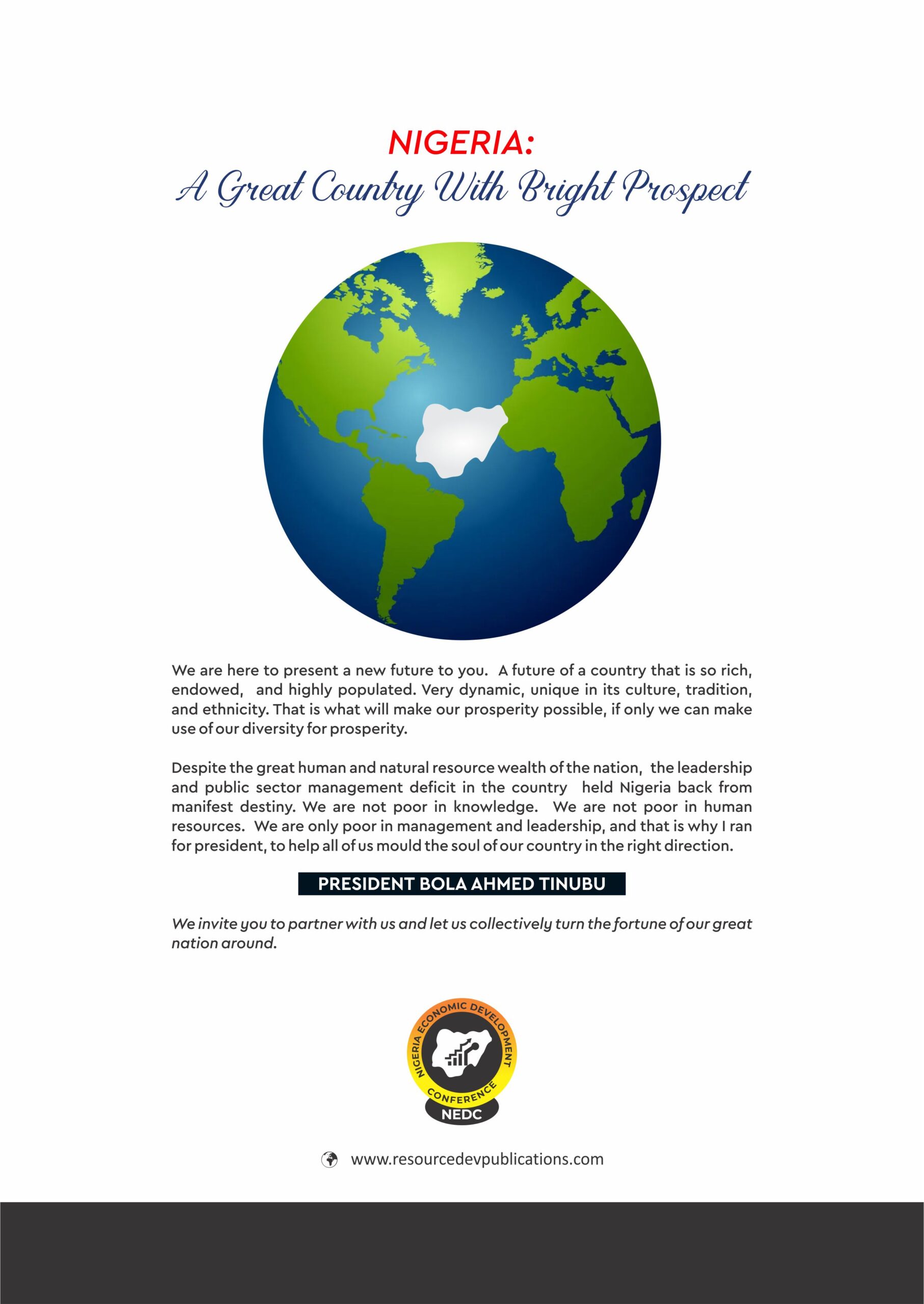
![IMG-20241027-WA0003[1]](https://www.resourcedevpublications.com/wp-content/uploads/2024/10/IMG-20241027-WA00031.jpg)


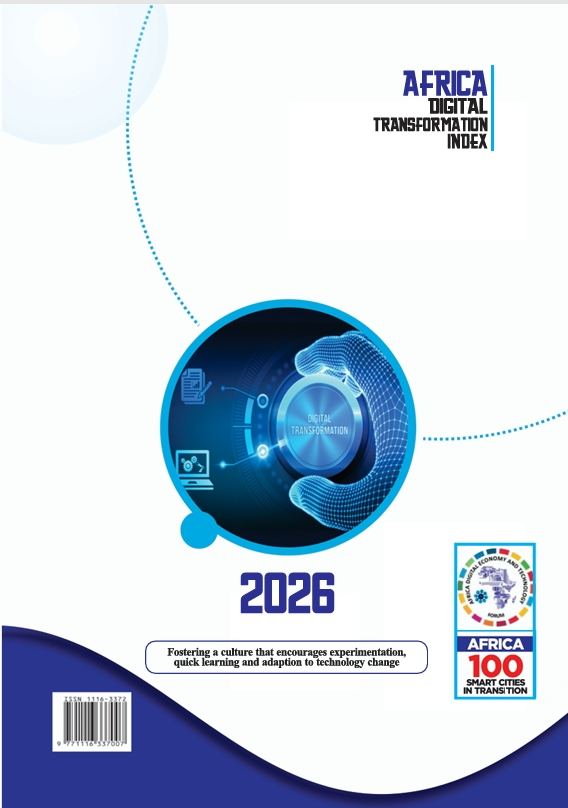
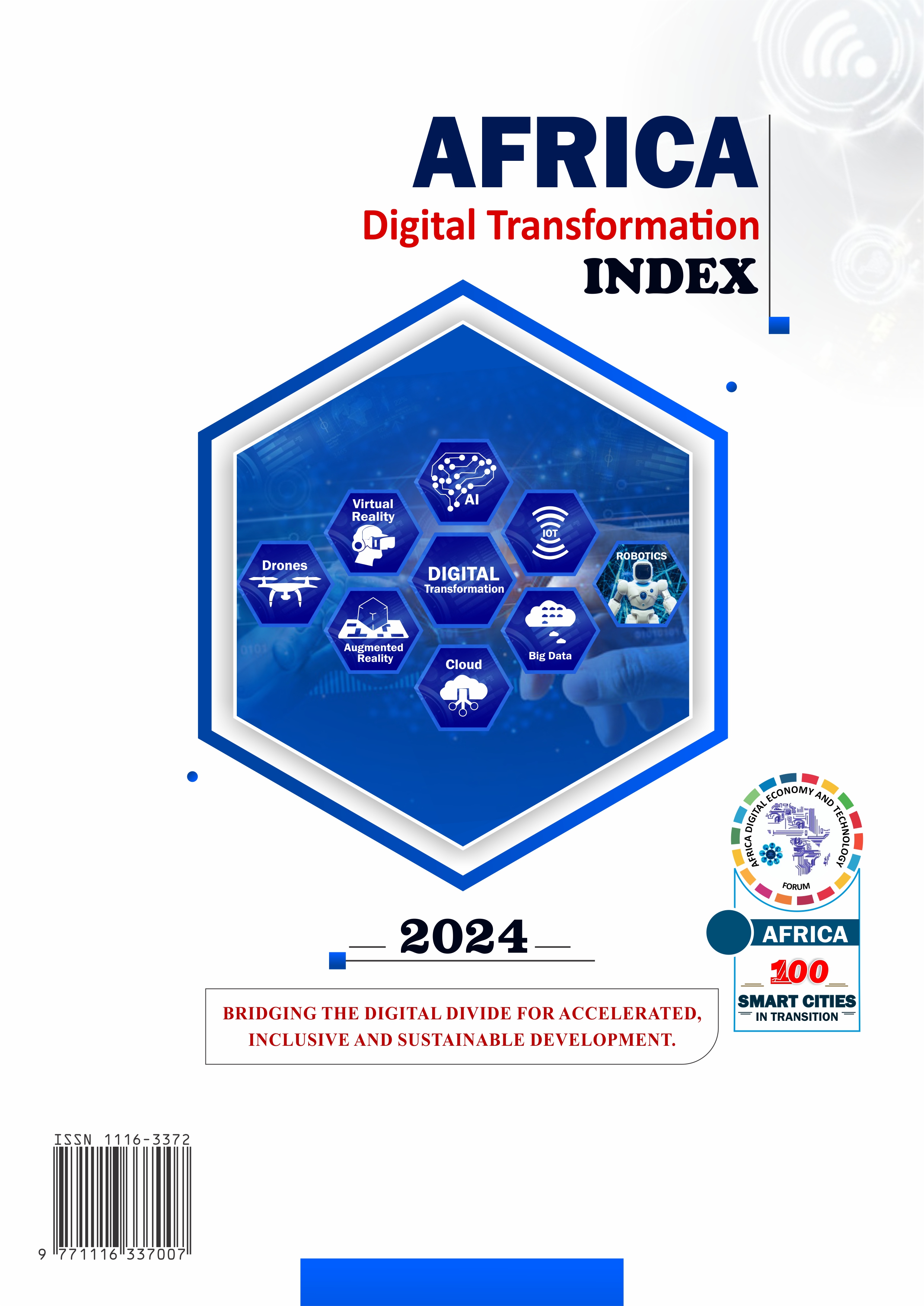
AFRICA DIGITAL ECONOMY AND TECHNOLOGY FORUM
We are passionate about leading change and aligning with the UN’s Sustainable Development Goals

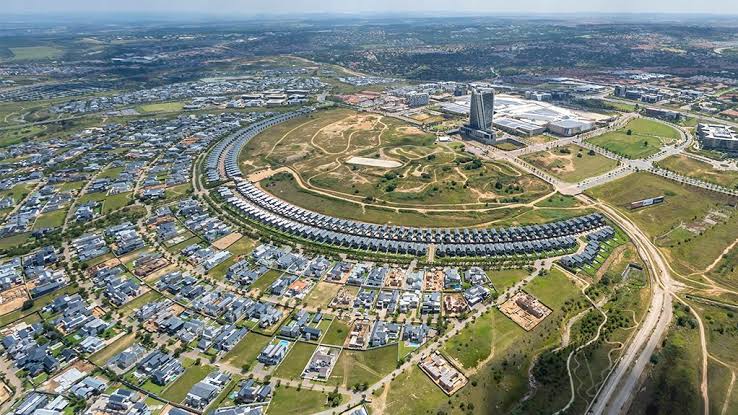
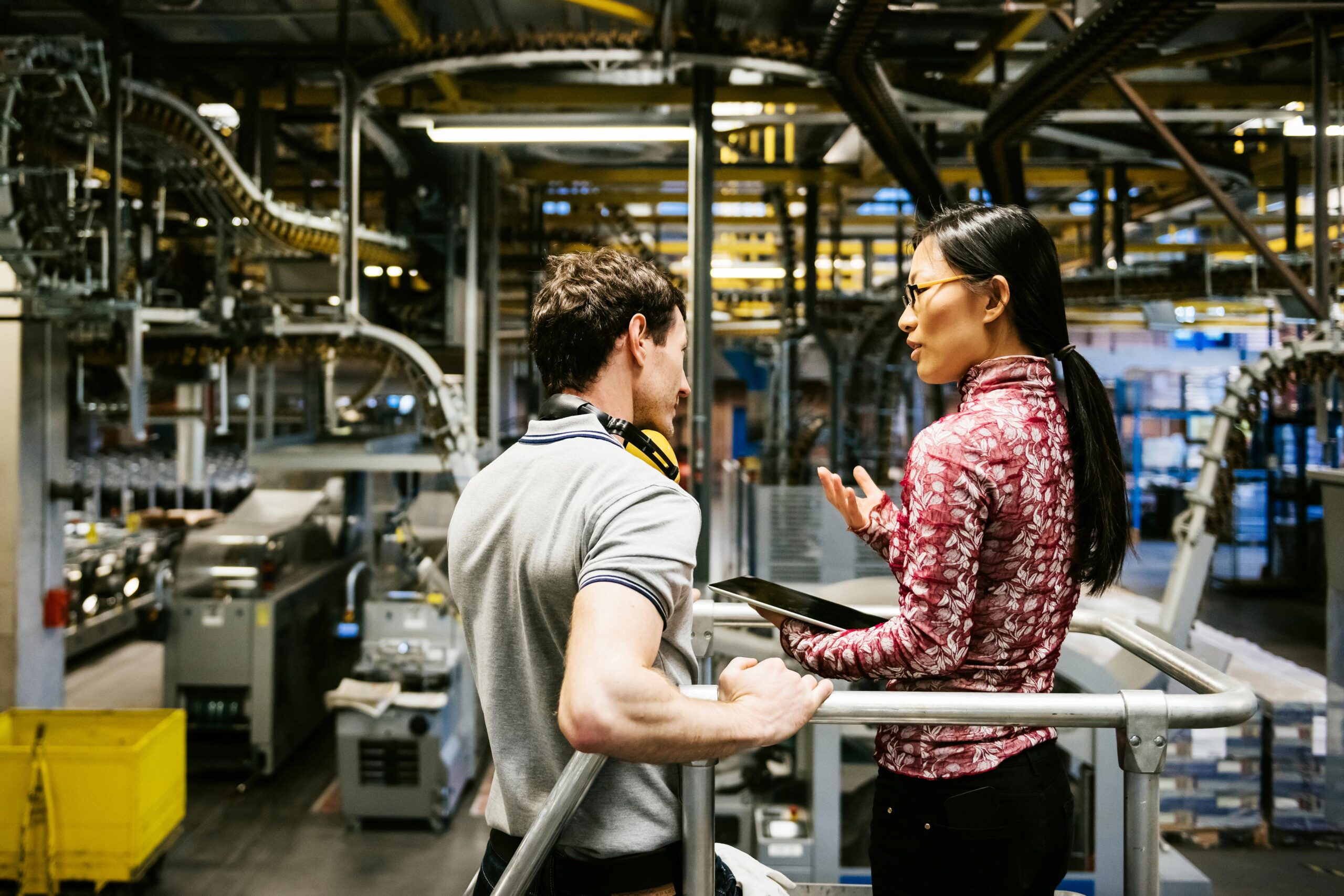
ASIA HAS TRANSFORMED INTO THE WORLD’S MANUFACTURING AND TRADE HUB
Asia has become the world’s processing, manufacturing, and assembly hub. Its manufacturing sector value added increased from 29 percent to 53 percent of global total value added between 1992 and 2021.
AFRICA RURAL COMMUNITIES - DIGITAL TRANSFORMATION PROGRAM
CLOSING THE DIGITAL GAP IN AFRICA WOULD INCREASE THE CONTINENT’S POTENTIALS TO CREATE JOBS FOR IT’S GROWING POPULATION AND BOOST ECONOMIC RECOVERY With Africa’s huge global workforce, it is critical for African countries to increase the uptake of digital technologies…

AFRICA DIGITAL ECONOMY AND TECHNOLOGY CONFERENCE 2022
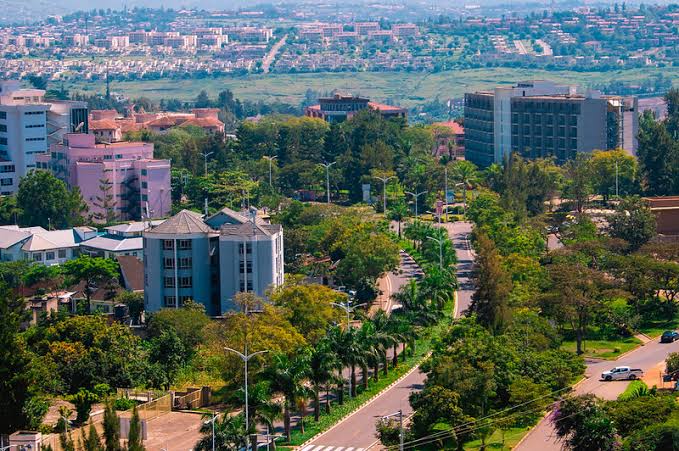
The rise of the digital economy in Africa is improving millions of lives and rapidly transforming societies.
Who we are
Resource Development Publications Limited is an international publishing company based in Lagos Nigeria. We are one of the foremost research based publishing, consulting and digital transformation organization in Africa.

We work with public and private sector organizations to share knowledge and provide insight that leads to transformative change. We are passionate about people and doing things differently.
We add value to the process of innovation and resource development.
We Do Things Differently
What we do
Our Publications & Programs are Designed to address Global Challenges
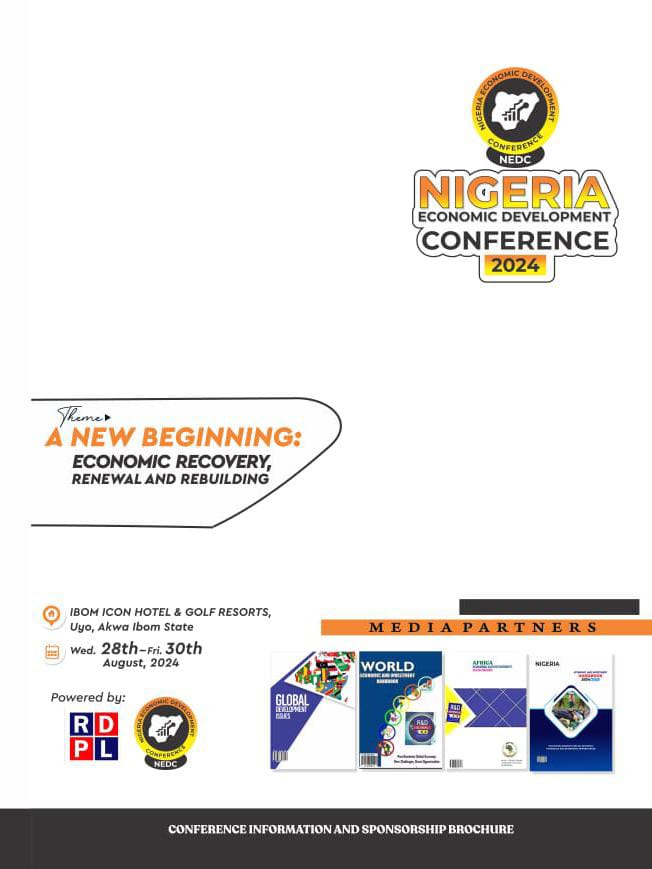
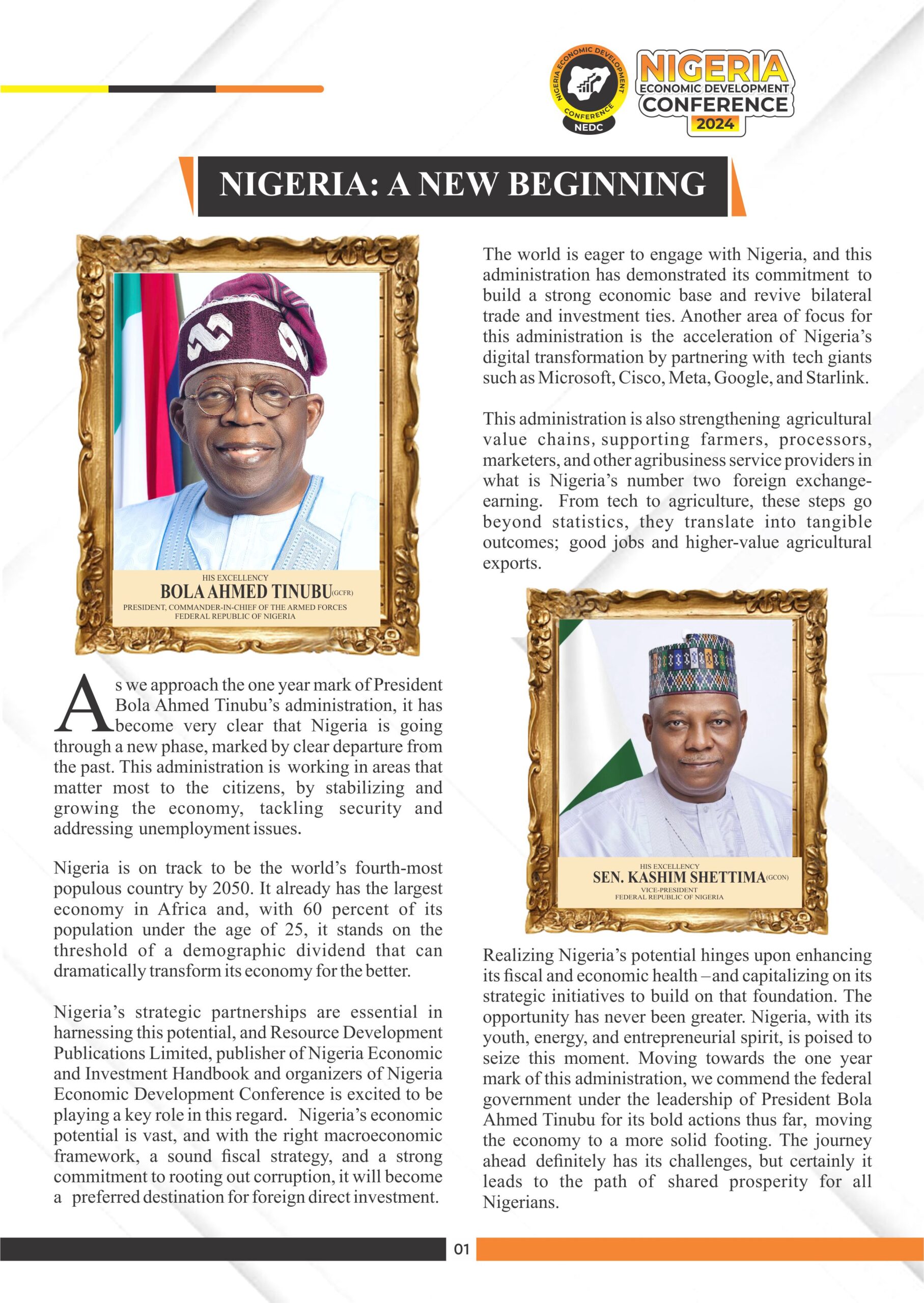
NIGERIAN ECONOMIC DEVELOPMENT CONFERENCE
We are passionate about leading change and aligning with the UN’s Sustainable Development Goals
![IMG-20241027-WA0000[1]](https://www.resourcedevpublications.com/wp-content/uploads/2024/10/IMG-20241027-WA00001-1.jpg)
![IMG-20241027-WA0001[1]](https://www.resourcedevpublications.com/wp-content/uploads/2024/10/IMG-20241027-WA00011.jpg)
![IMG-20241027-WA0002[1]](https://www.resourcedevpublications.com/wp-content/uploads/2024/10/IMG-20241027-WA00021.jpg)
![IMG-20241027-WA0003[1]](https://www.resourcedevpublications.com/wp-content/uploads/2024/10/IMG-20241027-WA00031.jpg)
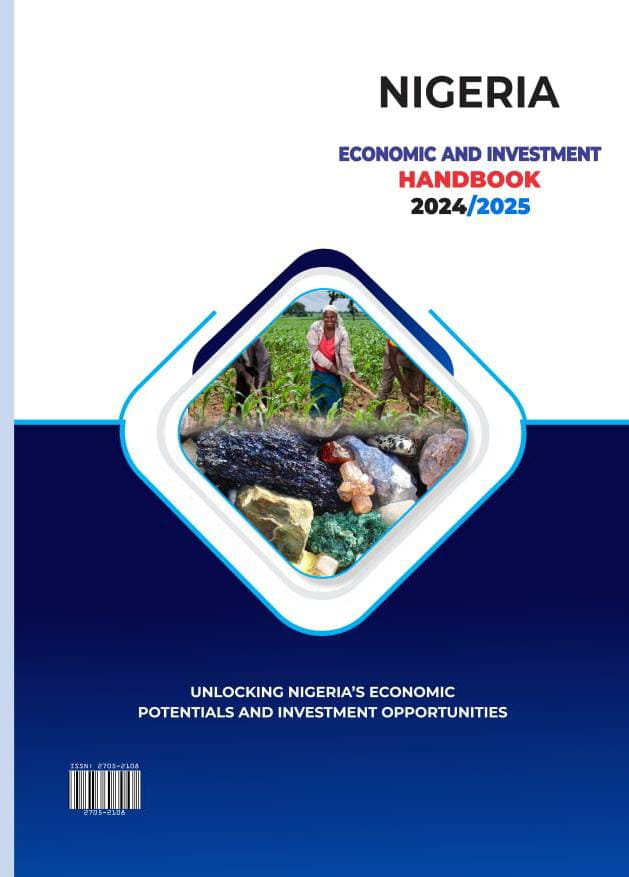
OUR PUBLICATIONS
We are passionate about leading change and aligning with the UN’s Sustainable Development Goals